What does the public want and need from a rural bus network?
ClareWaldron
Bus reform, in all its guises, is high on the political agenda across most English local transport authorities at the moment. The long-awaited Bus Services Act 2025 removes the restrictions of previous acts that prevented authorities from taking greater control of their bus networks, and many are considering how they might harness these new powers to improve their bus networks.
All eyes have been firmly focussed on what’s happening in the (ex-PTE) combined authority areas which have led the way on franchising. But what of the other parts of the country, particularly those more rural counties where bus networks teeter precariously on the edge of commerciality and communities face being cut off from local facilities and services by a simple timetable tweak?
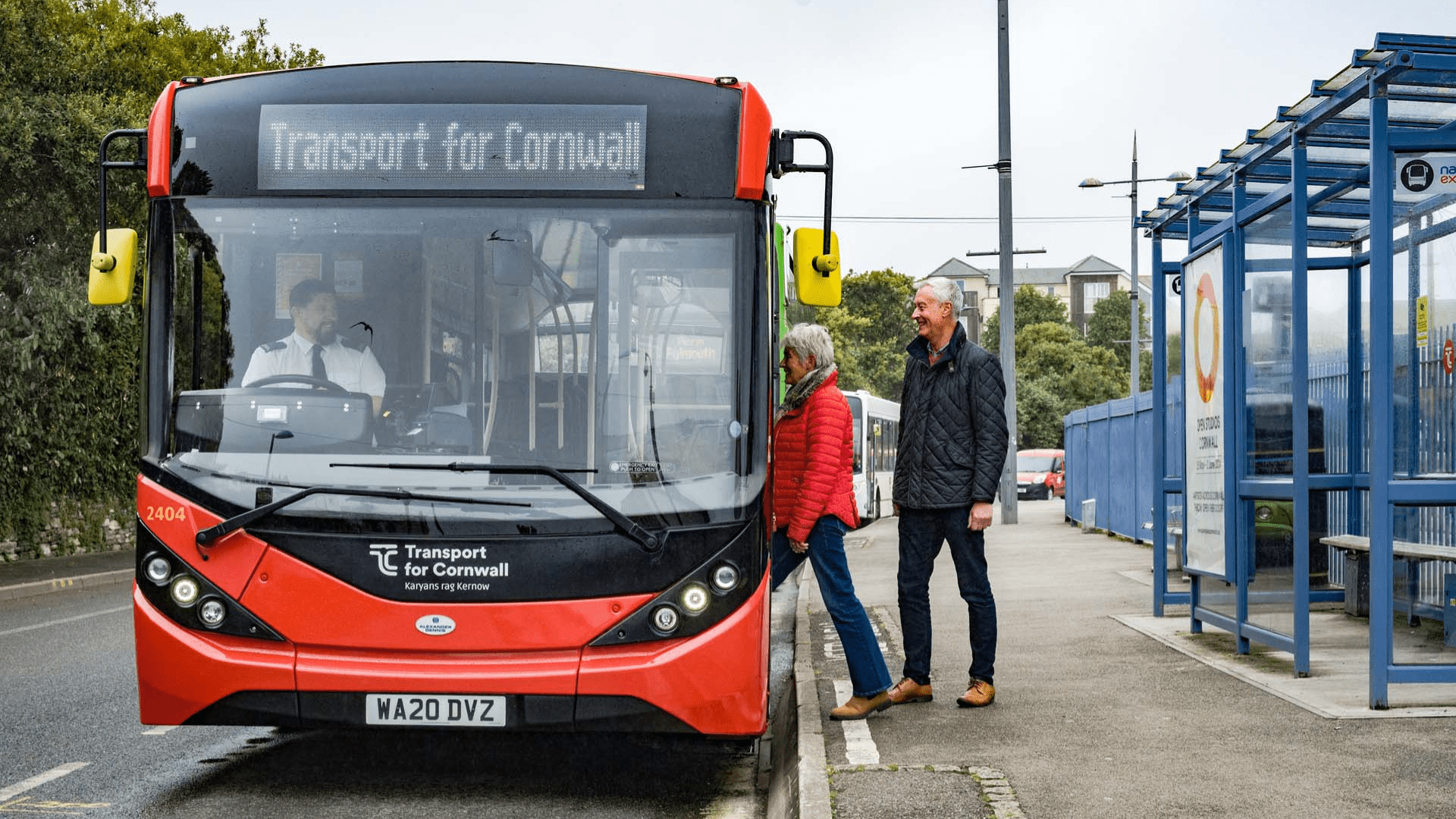
Cornwall is one of five areas selected for the Department for Transport’s Rural Bus Franchising Pilots, exploring how different franchising models might better deliver local bus networks in rural areas. Before even considering what those models of franchising might be, Cornwall Council decided to take a step back and consider the simple question ‘what do people want and need from a rural bus network?’
ITP was commissioned by the Council to engage in research to better understand people’s expectations of the county’s bus network. We designed a mixed methods programme of public engagement, combining scale with depth. This included a quantitative online survey completed by more than 2,000 residents across the Duchy, including regular bus users and non-users. Data was gathered on the protected characteristics of respondents, as defined by the Equality Act 2010. The large sample size enabled disaggregation of the bus-user responses to consider those characteristics considered to have most impact on bus use – age, gender, disability, and ethnicity.
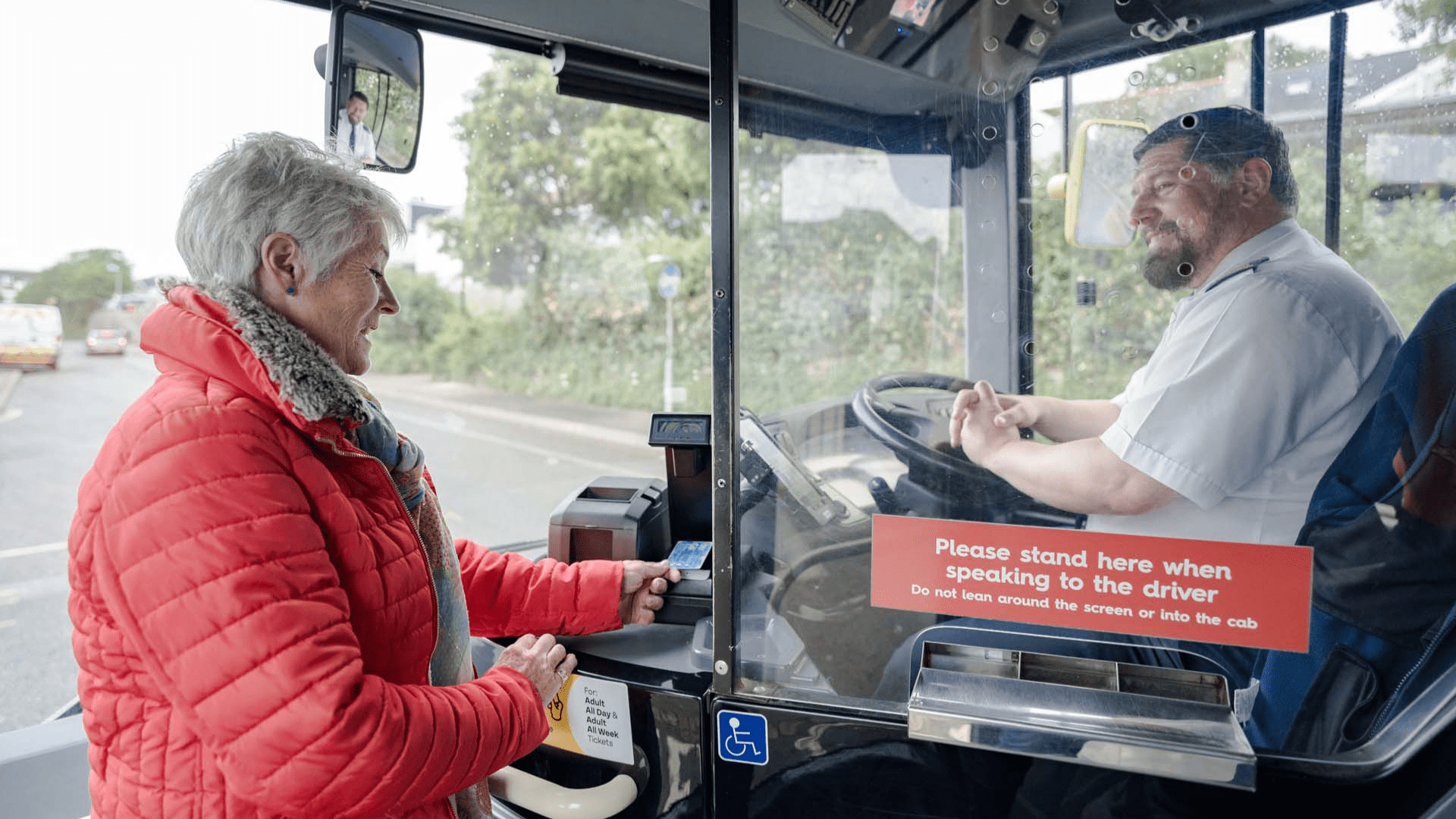
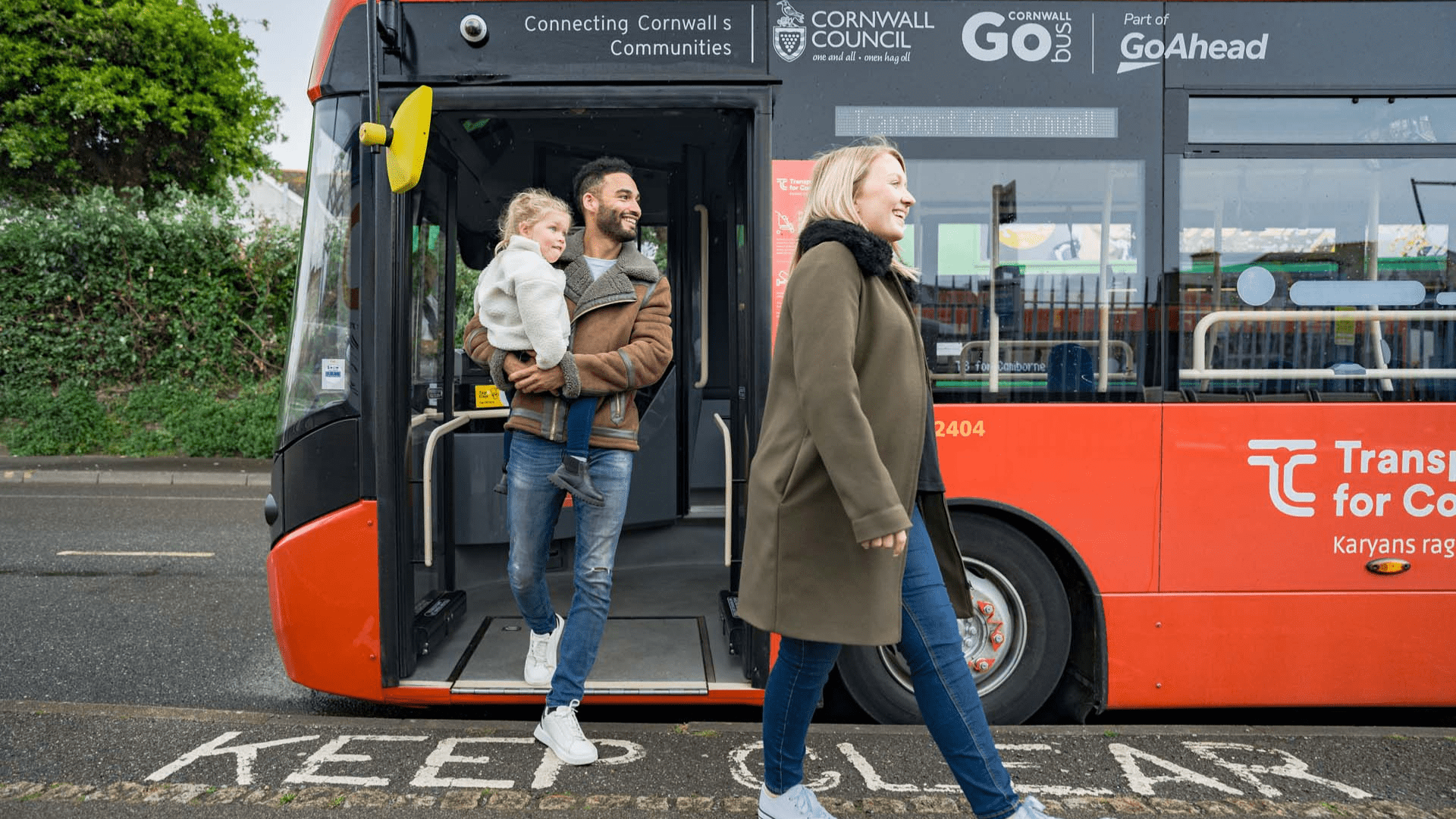
The innovative element of the study was an immersive research task which required regular and less regular bus users and non-users to experience bus travel in Cornwall first hand. Forty four of the Duchy’s residents, recruited to reflect a range of protected characteristics, completed six bus journeys over a two week period in January 2026. They filled out a travel diary for each journey they made, covering each part of the journey from planning, to waiting at the bus stop, to boarding the bus, travelling on the bus and getting off at the end of the journey.
Participants were required to attend one of six online focus groups held the following week to share their lived experiences of specific journeys. This approach ensured that participants were sharing recent events and enabled us to obtain a detailed understanding of aspirations, frustrations, opportunities and barriers across the entire bus journey from a wide range of passenger perspectives.
Together, this approach generated one of the richest and most granular pictures to date of bus use in Cornwall. It has enabled the Council to approach its consideration of bus franchising armed with in-depth knowledge of what is important to its residents. Whatever the outcome of bus reform in Cornwall, the Council can be confident that it placed the people at the heart of its decision-making.
We’ll be presenting our findings at the Rural Bus 2026 conference in Chester on 9th June and showing how they are feeding directly into the wider franchising pilot work that ITP is delivering together with Cornwall Council.
At ITP, we are committed to helping our local authority clients design bus networks that meet the real needs and wants of their communities. If you’d like to find out more about our work in Cornwall or discuss how we might assist you in all aspects of bus reform and public engagement, we’d love to hear from you.
Please contact Clare Waldron or feel free to reach out for a chat in Chester.
Cornwall DfT pre-franchising market research

Do you have a question?
Our experts are ready to help out