E-Bikes - Is there really a battle for our streets?
Therefore, I reluctantly decided to watch the BBC's recent Panorama programme presented by Adrian Chiles, E-Bikes: The Battle for Our Streets. Why reluctantly? Well, unfortunately in the past, programmes featuring cycling tend to be rather one-sided and fail to provide a balanced view, instead focusing on the negative side of cycling such as criminal acts, safety, road incidents and collisions. Additionally, the use of 'battle' in the title of this programme was clearly selected to entice viewers using sensationalist language deliberately chosen to exaggerate and elicit public interest, potentially at the expense of accuracy.
This isn't the first time such language has been used concerning programmes about cycling. Previous BBC offerings like 'The War on Britain's Roads' in 2012, Channel 5's 2019 programme 'Cyclists: Scourge of the Streets', and the 2022 Panorama programme 'Road Rage: Cars vs. Bikes' also used provocative titles. However, some might argue that this is a traditional tactic used by journalists designed to hook a wider audience and that the programme's content is what truly matters. So, let's focus on that instead.
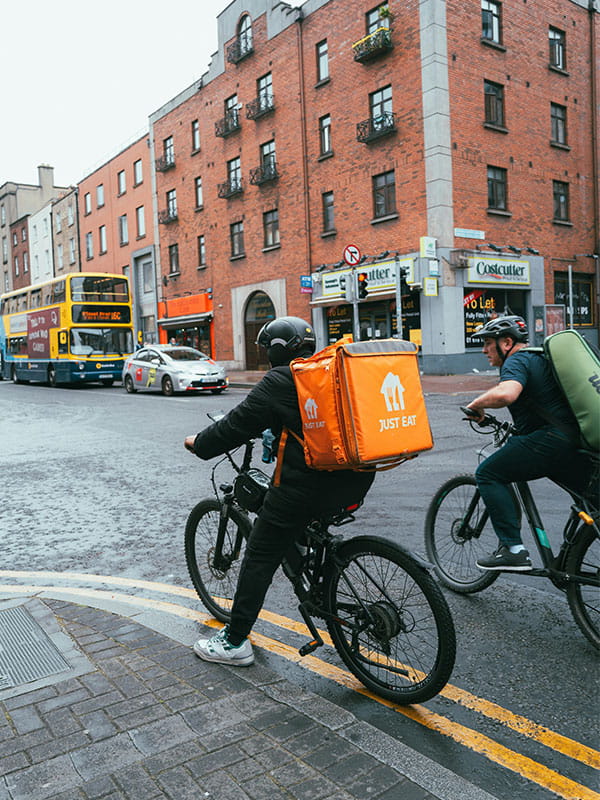
The programme's main theme, however, appeared to focus predominately on the negative side of e-bikes. That is, the conflict between pedestrians and those using e-bikes in public spaces, the illegality of e-cycles, where some bikes had been modified to allow speeds of up to 45mph and how such bikes appear to now be the mode of choice for many criminals. There was also a particular focus on 'gig-economy' drivers such as Deliveroo and Just Eat, with Adrian Chiles filmed standing in Birmingham city centre, asking passing pedestrians for their views on these delivery drivers whilst looking on disapprovingly as the camera caught shots of employees weaving through city centres at high speeds on their e-cycles.
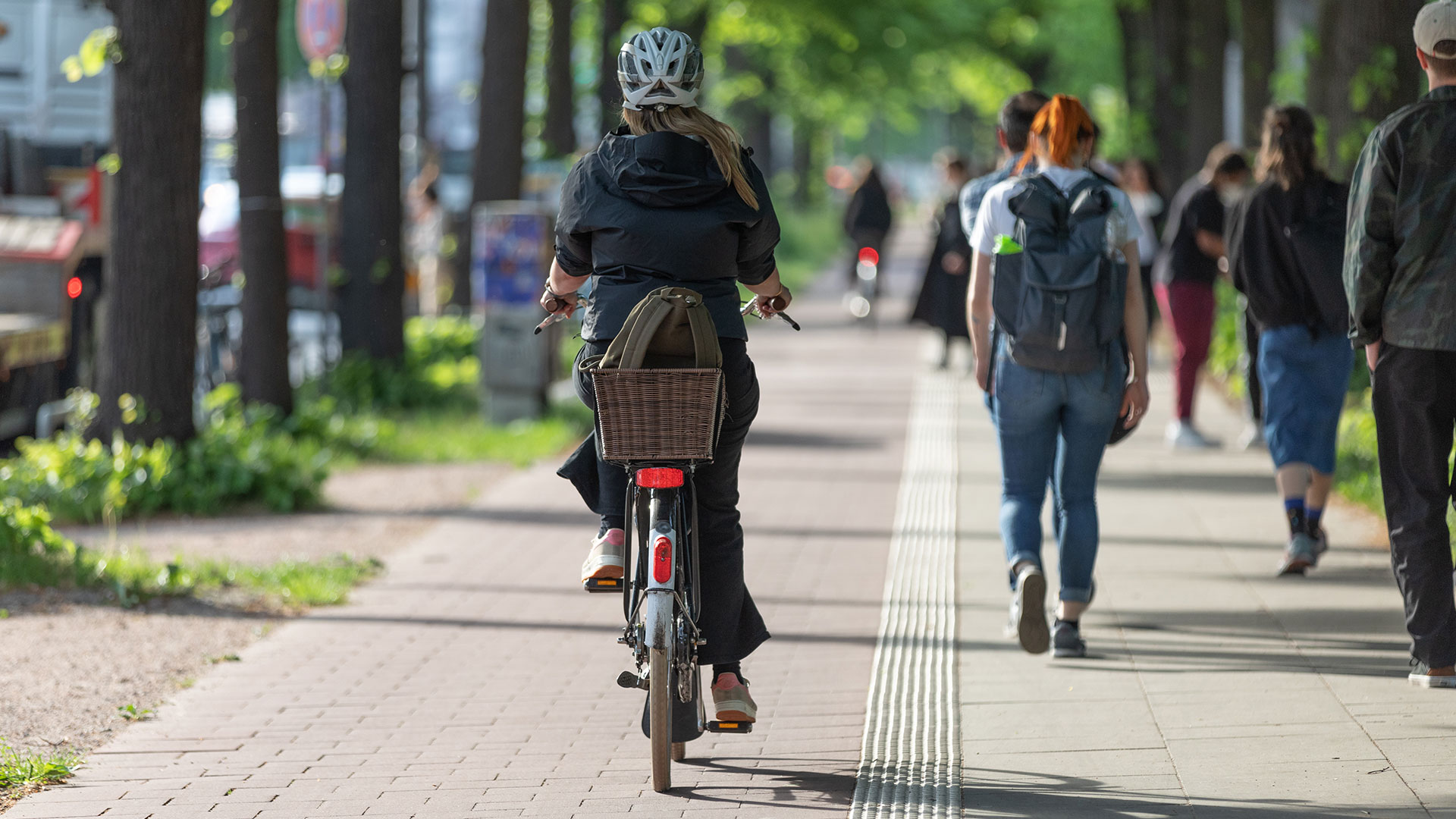
Of course, the programme was not wrong to highlight the negative issues surrounding e-cycle use. If you live in a city or suburban area, you've probably encountered people riding e-bikes at high speeds in public spaces, which is definitely a problem that needs addressing. The idea that someone could reach speeds of 45 mph while cycling on a pavement or in a pedestrianised/shared space is unacceptable and must be stopped. Even I am not immune to speeding e-bike riders and often find myself overtaken by Deliveroo or Just Eat employees zooming past me at high speeds on a local cycle path I use to travel between home and the train station. Of course, they probably aren't the only ones cycling at high speeds, but their company-branded apparel makes them more noticeable.
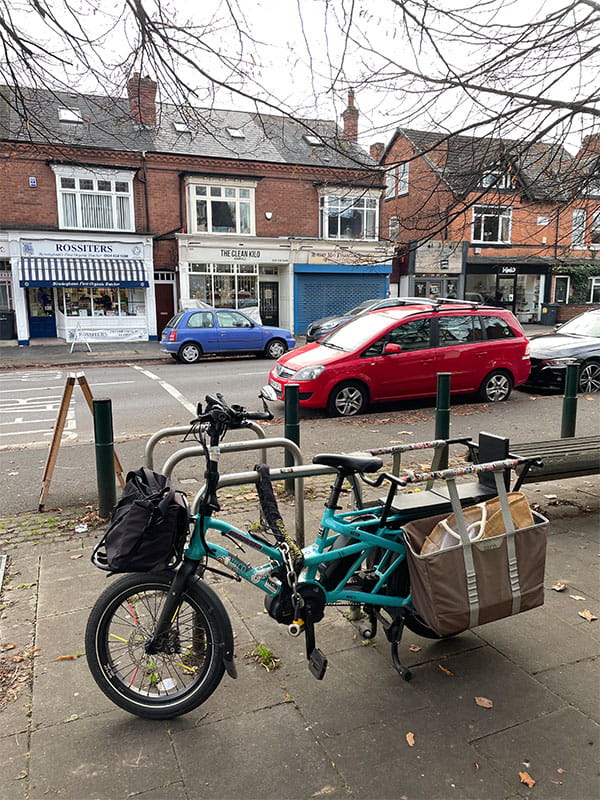
Instead, the programme only mentioned cargo cycles through a frightening image of a test crash dummy simulation, showing a child in a front-loaded e-cargo bike hitting a car at speed, and highlighting the dangers for passengers. However, this simulation was conducted with the bike travelling at 15 mph. Interestingly, there was no mention that most e-assist cargo cycles purchased in the UK automatically cut out once they reach 15 mph. Nor was there any discussion about the likelihood of parents being able to reach 15 mph on popular journeys such as the school run, even with e-assistance on their bikes.
Following on from the images showing the danger of e-cycles colliding with cars, Chiles mentioned the high number of pedestrian deaths and serious injuries caused by cyclists each year. However, no evidence was given of what proportion of these collisions were caused by riders of e-cycles, noting that current Department for Transport data does not differentiate between e-cycles and pedal cycles. To present a more balanced view, the programme could have also mentioned the number of pedestrian deaths and serious injuries caused by motor vehicles, helping the audience understand the scale of cycle/pedestrian collisions in context.
For instance, a Cycling UK article provides several examples of academic research studies that have found positive outcomes for e-cycle users. These include how e-cycles can make cycling more accessible for those living in hilly areas and carrying children, and the importance of adaptive e-cycles as a mobility aid for some disabled people.
It was a missed opportunity that the programme failed to mention examples such as these or how cycling can address issues relating to physical and mental health, social inequalities, air quality, congestion, and economic growth. Indeed, it is evident that e-cycles are becoming increasingly popular among a diverse range of users and that can only be a good thing. They have particularly enabled individuals, such as older adults and those with health issues, to increase their cycling activity and are undoubtedly an important tool for increasing active travel.

Our experts are happy to assist you
Experts team Transport strategy, research & economics
Transport strategy, research & economics
Discover our expertise in transport research and evaluation, developing citywide mobility strategies and Dutch heritage in active travel delivery.