Using insight to shape better transport decisions


AndrewBradshaw
Whether we're shaping a major infrastructure project, supporting a business case, assessing a new active travel scheme or understanding the impacts of future development, modelling allows us to test options, explore future scenarios and provide confidence in decision-making before changes are implemented in the real world.
Meet ITP's Transport Modelling Team
At ITP, we take a slightly different approach to transport modelling. Rather than seeing ourselves solely as technical specialists, we see ourselves as transport planners with advanced modelling expertise. Every member of our team brings a broader understanding of transport planning, with experience spanning development planning, public transport, active travel, strategy, appraisal and business cases.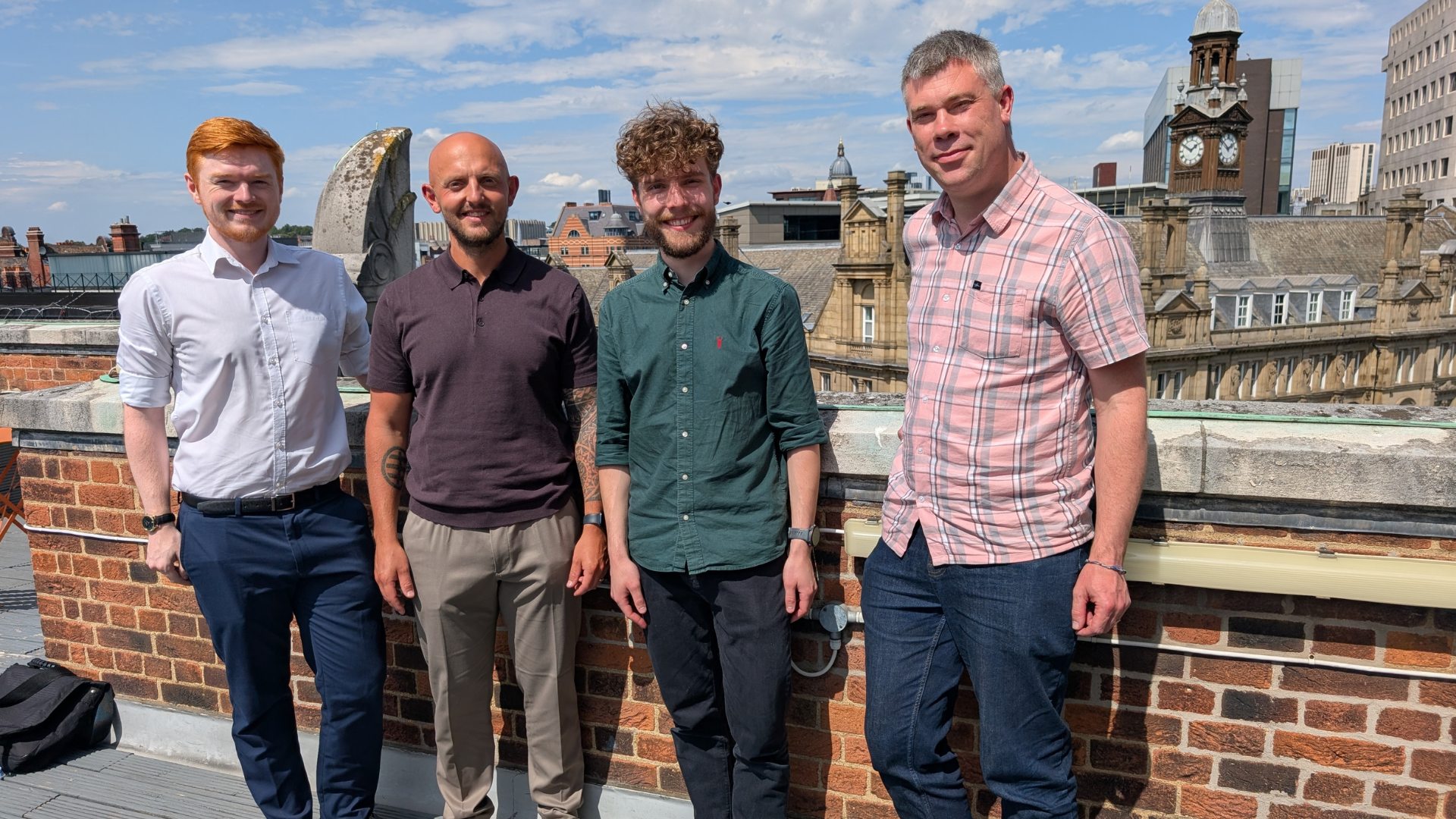
Our team has been built around a culture of curiosity, collaboration and continuous learning. Many of our modellers joined as graduates and have developed into highly capable consultants, project managers and technical specialists. Supporting that growth and creating opportunities for people to develop their expertise has been one of the most rewarding aspects of my career.
Being part of Haskoning also creates opportunities to collaborate internationally. Through close working relationships with modelling specialists in the Netherlands, we combine local transport planning knowledge with internationally recognised expertise in advanced modelling techniques, digital twins and large-scale network analysis. This exchange of knowledge strengthens our capability and helps us bring innovative thinking to transport challenges across the UK.
Ultimately, the strength of any modelling team lies in its people. By investing in talent and encouraging collaboration, we're building a team capable of helping clients navigate increasingly complex transport challenges.
Understanding How People Travel
Transport modelling begins with a simple question: how do people make decisions about travel?
We seek to understand why, where and when people travel and the choices they make along the way. By combining behavioural insight, network data and analytical techniques, we develop a detailed understanding of how transport systems function and how users interact with them.
Importantly, transport modelling is about far more than forecasting traffic volumes. It helps us understand how people respond when conditions change, such as whether a new cycle route might encourage people to switch from driving, alter their route or travel at a different time. We are leading practitioners in the demand modelling that is needed to understand these effects, and this is recognised through our partnership with Aimsun as part of their Industry Partner network.
Our focus on human behaviour gives decision-makers a clearer view of the likely consequences of different options before investing time and resources in implementation.
Supporting better decision-making
One of the most common misconceptions about transport modelling is that it provides a definitive answer. In reality, a model is one part of a much wider evidence base.Models help us understand potential outcomes, compare alternative scenarios and quantify impacts, but they should always be considered alongside professional judgement, policy objectives and stakeholder priorities.
Our focus is on helping clients understand what the results mean in practice. We help project teams consider the implications of different choices, identify opportunities to improve proposals and develop solutions that align with wider objectives.
Increasingly, we are using modelling as a design tool rather than simply an assessment tool. By testing options at an early stage, modelling can help shape schemes before important decisions are made. The best outcomes often emerge when technical evidence is combined with local knowledge, stakeholder insight and practical transport planning experience.

Applying modelling across transport challenges
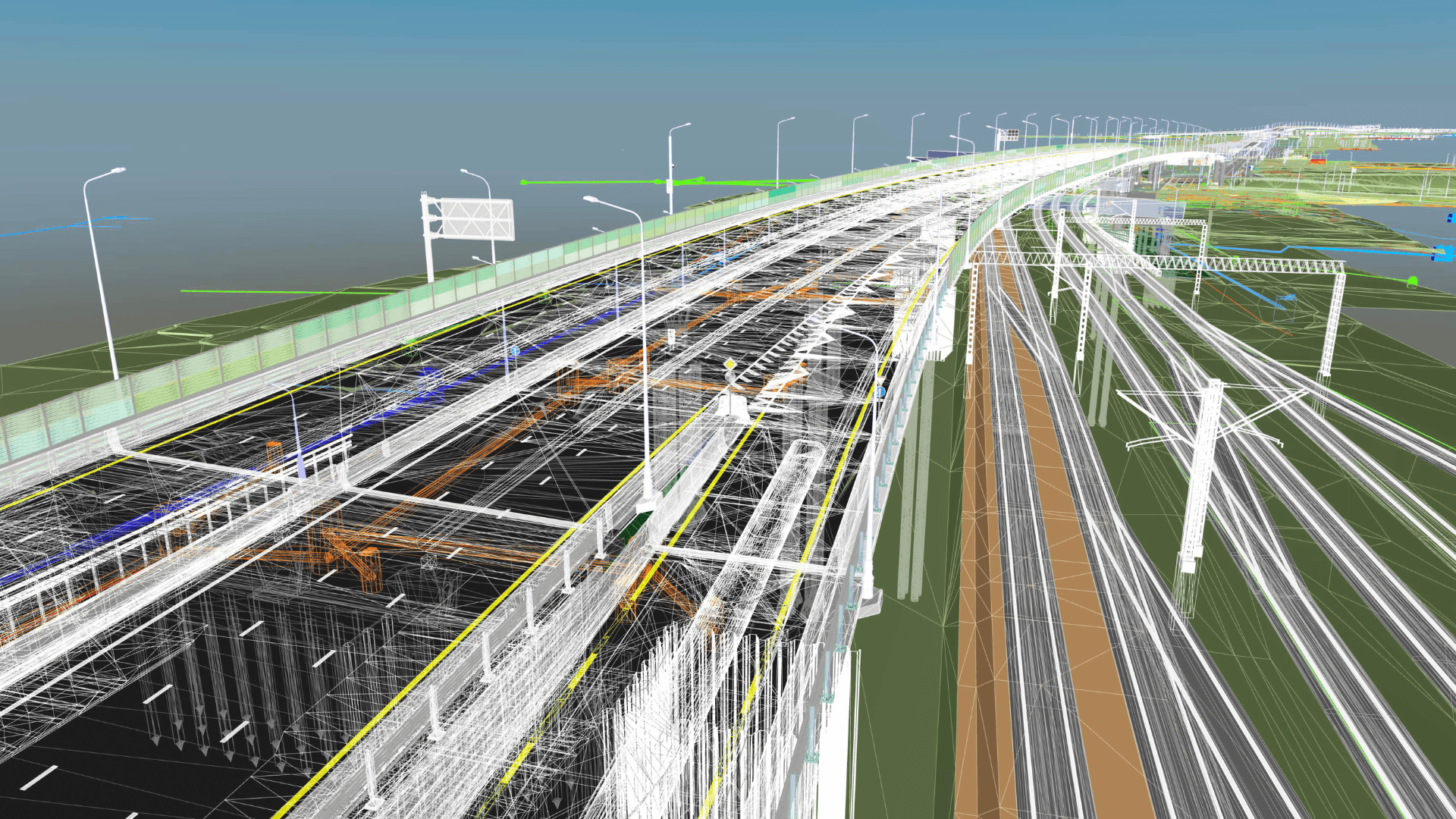
The applications of transport modelling extend far beyond traditional traffic forecasting. Our team supports projects across development planning, business cases, active travel schemes, public transport investment, strategic studies, major infrastructure, major events and construction traffic management.Modelling provides an evidence base throughout the project lifecycle, from early strategy through to delivery and operation. It enables clients to assess the impacts of new development, evaluate alternative designs, understand the effects of road closures and minimise disruption during construction.
A key part of our role is ensuring that the modelling approach is proportionate to the challenge being addressed. Some projects require detailed analysis of a single junction, while others need strategic models covering entire towns, cities or regions. The objective is always the same: providing the right level of evidence to support effective decision-making.
While technology continues to advance, our focus remains unchanged: helping clients make better decisions through better evidence.
Creating better outcomes for people and places
Ultimately, transport modelling is about using evidence to support better decisions. By providing robust evidence, exploring alternative futures and understanding how people respond to change, transport modelling supports the creation of transport networks and places that are more efficient, resilient and sustainable.At ITP, we've built a transport modelling team that combines technical excellence with practical transport planning expertise, curiosity and a genuine commitment to solving complex challenges. Whether we're supporting local authorities, developers, infrastructure providers or public transport operators, our goal is to help clients make confident, evidence-based decisions that deliver better outcomes for communities and create places where people can thrive.
For more information on how transport modelling could strengthen your project, please get in touch.

Do you have a question?
Our experts are ready to help out